
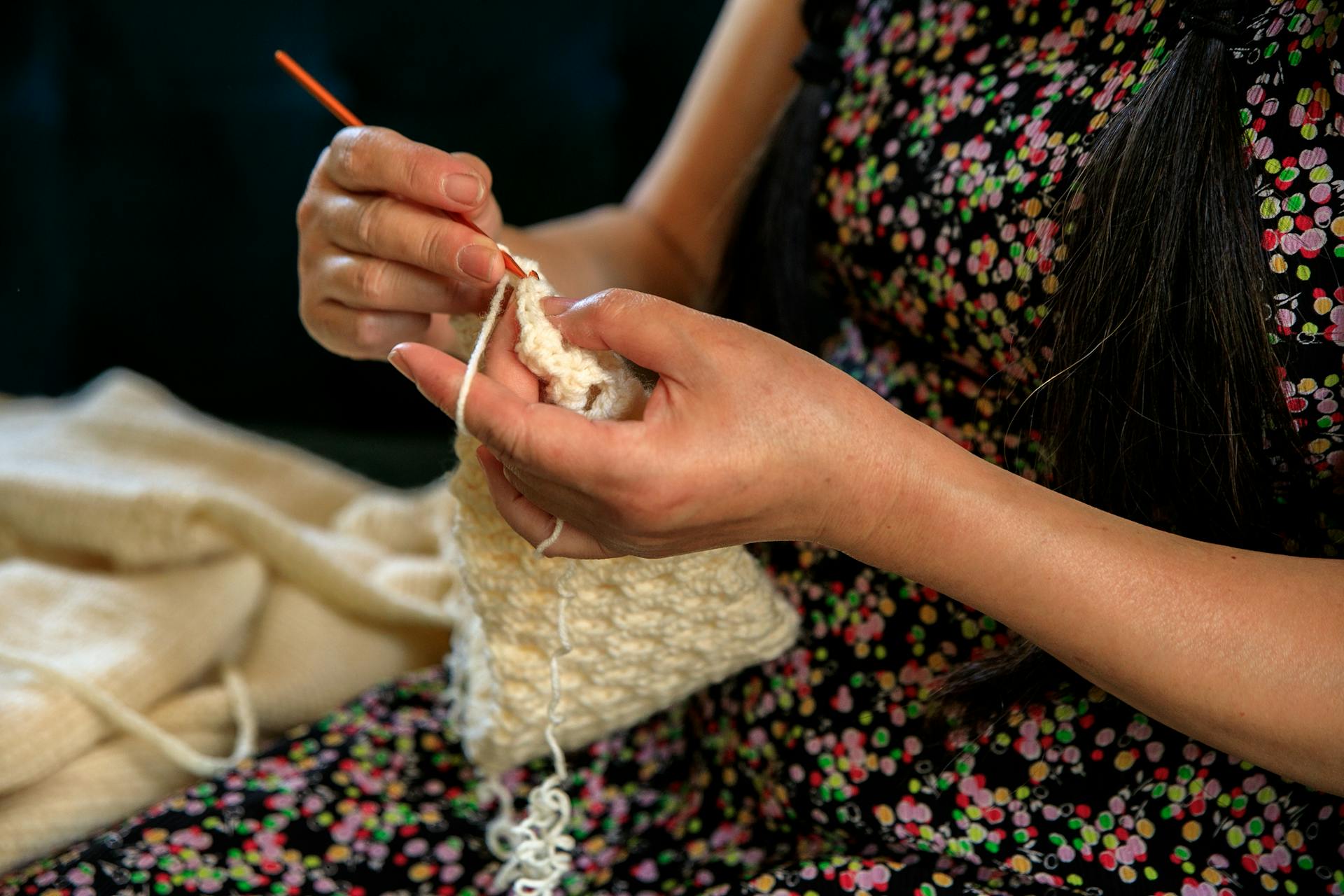
Most people carry a quiet list of activities they claim they will never try. Maybe it is yoga, painting, rock climbing, or baking bread from scratch. The reasons vary. Some assume they lack talent. Others dismiss certain hobbies as boring or impractical. Yet life often changes when curiosity overrides resistance. Trying a hobby you once rejected can reveal unexpected strengths and perspectives. It challenges identity. It expands comfort zones. It also teaches humility. Stepping into unfamiliar territory can become one of the most rewarding experiences.
Breaking the Mental Barrier
The first obstacle is rarely the hobby itself. It is the belief attached to it. Saying “I’m not that type of person” creates distance before any real attempt. This mindset often forms early. A single awkward experience can shape lasting assumptions. Over time, the belief becomes part of personal identity. Trying the hobby disrupts that narrative. It forces reevaluation. Growth begins when you question self-imposed limits. What once seemed incompatible with your personality may simply be unfamiliar.
Embracing Beginner Status
Starting something new requires accepting beginner status. That can feel uncomfortable, especially for adults accustomed to competence. Mistakes become visible. Progress feels slow. However, beginner experiences carry their own value. They teach patience and resilience. They remind you that skill develops gradually. Letting go of perfection ensures learning remains enjoyable rather than stressful. Humility fosters openness. Openness invites improvement.
Discovering Unexpected Enjoyment

Some hobbies surprise you. An activity that once seemed dull may offer relaxation. Something intimidating might spark excitement. Trying the unfamiliar often reveals hidden interests. The enjoyment may not be immediate, but curiosity grows with exposure. New hobbies also introduce different communities. Shared interests create fresh social connections. Stepping outside the routine injects energy into daily life. It disrupts monotony and encourages experimentation.
Expanding Perspective
Hobbies influence how you view the world. Photography changes how you notice light. Cooking deepens appreciation for flavor and technique. Gardening shifts awareness of seasons. Trying something outside your usual preferences broadens your perspective. It cultivates empathy for people who already love that activity. You begin to understand their enthusiasm. Perspective expansion supports creativity. Exposure to diverse experiences enriches problem-solving in unrelated areas.
Confronting Fear of Judgment
One reason people avoid certain hobbies is fear of judgment. They worry about looking awkward or inexperienced. This fear often fades once you begin. Most communities welcome newcomers. They remember their own starting points. Judgment frequently exists more in imagination than reality. Facing this discomfort builds confidence. It strengthens the ability to take risks beyond hobbies. Confidence gained through small challenges often transfers into professional and personal growth.
Building a More Flexible Identity
Identity shapes choices. When you define yourself narrowly, opportunities shrink. Trying a hobby you once rejected expands self-definition. You are no longer limited by past assumptions. Flexibility encourages adaptation. As life circumstances change, interests evolve. This adaptability supports long-term well-being. It prevents stagnation. Engaging with diverse activities keeps curiosity active. Curiosity keeps growing.
Trying a hobby you once swore you would never attempt challenges assumptions and expands perspective. It breaks mental barriers, builds humility, uncovers unexpected enjoyment, and strengthens confidence. Embracing beginner status fosters growth and flexibility. New experiences enrich identity and create fresh connections. Stepping into unfamiliar territory may feel uncomfortable at first, but it often leads to meaningful personal development.…